
การเรียนรู้Learning is คือความสุขhappiness.

อนุบาลและเตรียมอนุบาลแนวเรกจิโอ เอมีเลียใต้ร่มไม้ใหญ่ ย่านยานนาวา ตั้งแต่ปี 2531 เด็ก ๆ เรียนรู้จากการลงมือทำA Reggio Emilia kindergarten and nursery under big trees in Yan Nawa, Bangkok, since 1988. Children learn by doing.

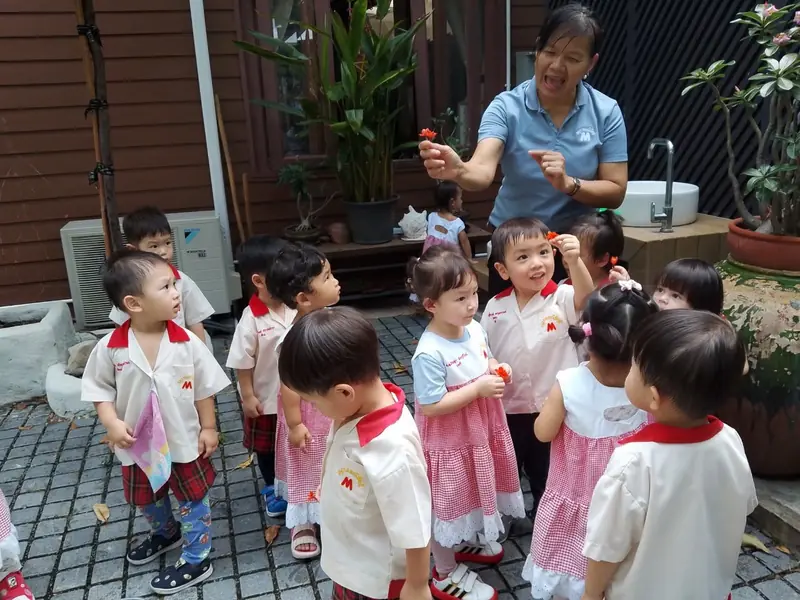
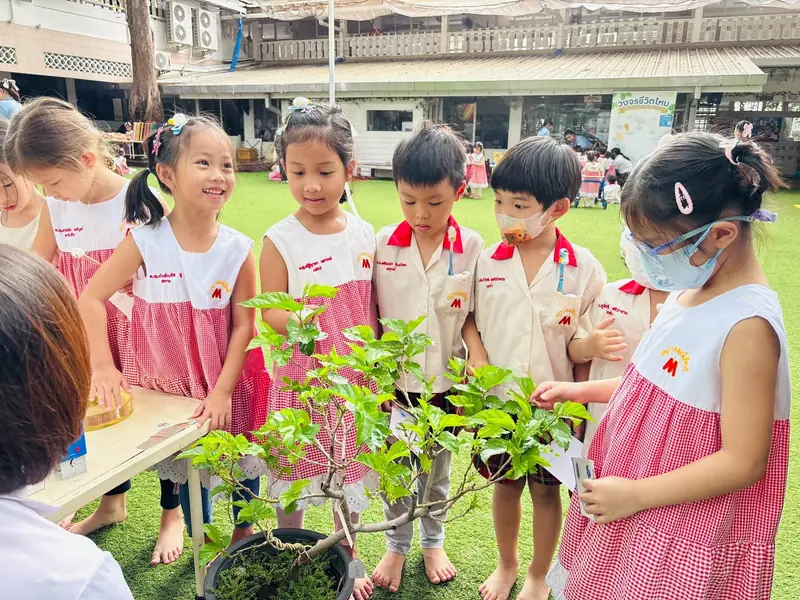
เด็ก ๆ ในชุดนักเรียนยืนล้อมต้นหม่อนในกระถางบนสนามหญ้าของโรงเรียน
ทำความรู้จักต้นหม่อน จุดเริ่มต้นของโครงงานหนอนไหมMeeting a mulberry tree: the start of the silkworm project

เด็ก ๆ เป็นคนเลือกเรื่องที่จะเรียนHere, the children choose the topic

เราสอนตามแนวคิดเรกจิโอ เอมีเลีย และการเรียนแบบโครงงาน (Project Approach) มาตั้งแต่เป็นโรงเรียนนำร่องของแนวคิดนี้ในปี 2542 ทุกภาคเรียน แต่ละห้องเลือกหัวข้อจากความสนใจของเด็ก ๆ เอง แล้วครูเชื่อมโยงเข้ากับหลักสูตรของกระทรวงศึกษาธิการWe have taught through Reggio Emilia ideas and the Project Approach since we became a pilot school for them in 1999. Every term, each class picks a topic from the children's own interests, and the teachers link it to the national curriculum.

หัวข้อที่ห้องเรียนของเราเคยเลือกTopics our classes have chosen

  • ผีเสื้อButterflies
  • ไข่Eggs
  • มดAnts
  • หนอนไหมSilkworms
  • รถยนต์ไฟฟ้าElectric cars
  • ดอกไม้Flowers
ดูวิดีโอ: มารู้จักการเรียนรู้แบบโครงงานที่อนุบาลมณีรัตน์Watch: how projects work at Maneerut 3 นาที 48 วินาที บน YouTube3 min 48 sec on YouTube, in Thai
  1. เล่าเรื่องที่อยากรู้Share what you're curious about

    เด็กแต่ละคนนำเรื่องที่สนใจมาเล่าให้เพื่อนฟัง บางคนนำของจริงมาด้วย เช่น ด้วง ดักแด้ผีเสื้อ หรือต้นมะลิEach child tells the class about something they want to know more about. Some bring the real thing: a beetle, a butterfly chrysalis, a jasmine plant.

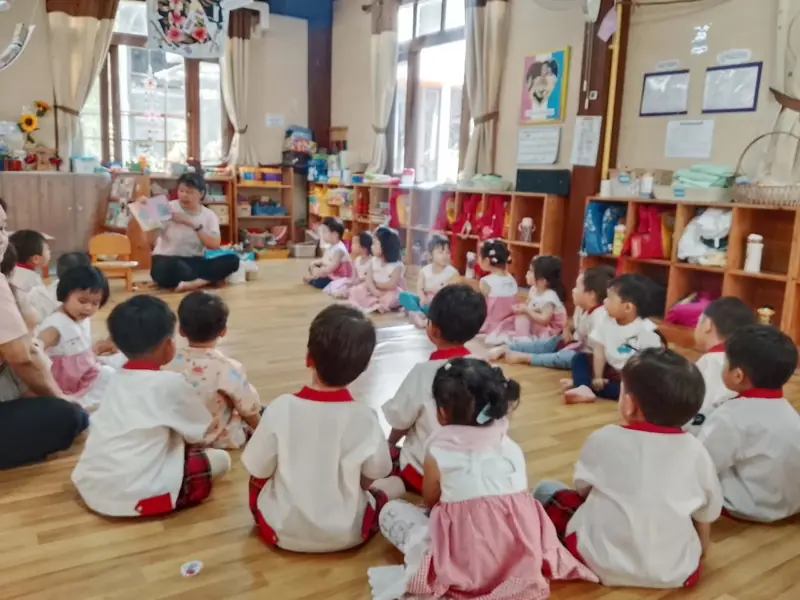
    เด็ก ๆ นั่งล้อมวงบนพื้นห้องเรียน ฟังเพื่อนและครู
    ล้อมวงฟังเพื่อนเล่าเรื่องCircle time: listening to a friend
  2. เลือกสามเรื่องแล้วโหวตPick three, then vote

    จากหัวข้อทั้งหมด เด็กแต่ละคนเลือก 3 เรื่องที่สนใจจริง ๆ แล้วทั้งห้องโหวตเลือกเรื่องที่ทุกคนอยากเรียนที่สุดFrom all the ideas, each child picks the three they care about most. Then the class votes, and the winner becomes the project.

  3. ค้นคว้ากับที่บ้านResearch at home

    คุณพ่อคุณแม่ช่วยพาไปหาข้อมูลจากแหล่งเรียนรู้ต่าง ๆ และชวนคิดด้วยคำถาม เช่น จะเล่าเรื่องนี้อย่างไรให้เพื่อนสนใจParents help their child look things up and visit places to find out more, with questions like “how will you make your friends interested?”

  4. ลงมือทำจริงFind out by doing

    เด็ก ๆ ทดลอง สร้าง สังเกต และถามผู้รู้ ครูจัดห้องเรียนให้เข้ากับโครงงาน และจดบันทึกสิ่งที่เด็ก ๆ ค้นพบChildren experiment, build, watch closely and ask experts. Teachers set up the classroom around the project and write down what the children discover.

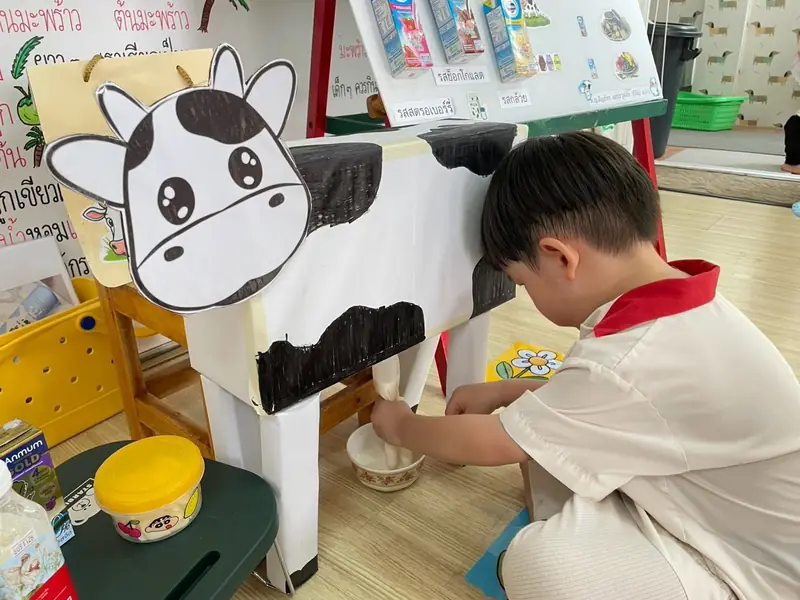
    เด็กชายลองรีดนมวัวจำลองที่ทำจากกระดาษ
    วัวจำลองที่ทำในห้องเรียนA model cow, made in class
  5. นำเสนอให้เพื่อนฟังPresent it to the class

    ทุกคนได้ออกมาเล่าสิ่งที่ค้นพบ ใครยังไม่กล้า ครูจะค่อย ๆ ช่วยเสริมความมั่นใจ เด็กทุกคนมีสิทธิ์พูดและถามเท่ากันEvery child stands up and explains what they found. If a child is shy, the teacher helps them build up to it. Everyone has the same right to speak and to ask.

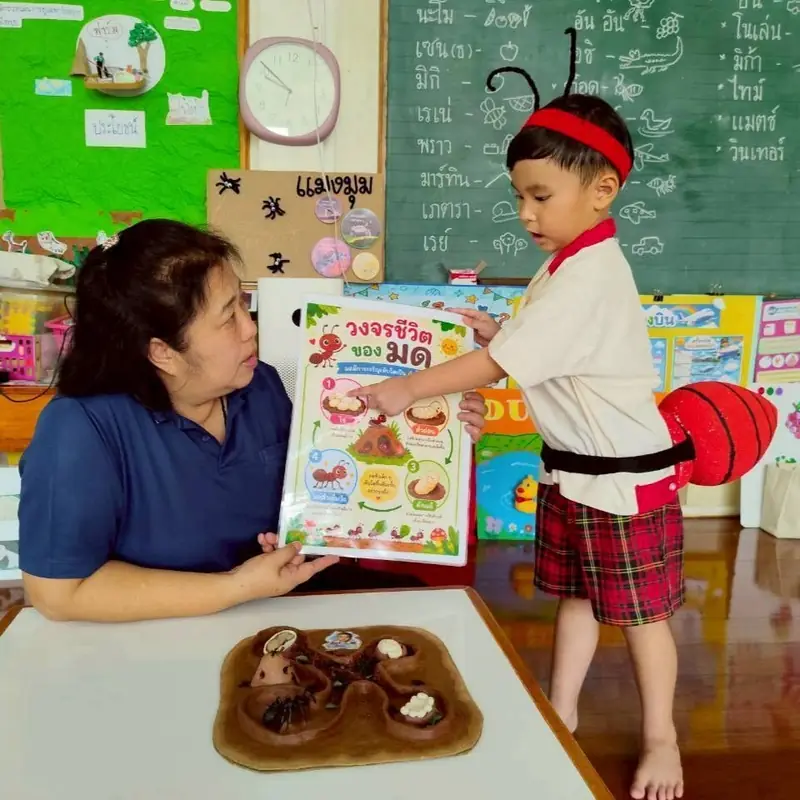
    เด็กชายแต่งตัวเป็นมด นำเสนอวงจรชีวิตของมดให้คุณครูฟัง
    วงจรชีวิตของมด นำเสนอแบบจัดเต็มThe life cycle of an ant, presented in costume
  6. ขึ้นบอร์ดให้ทุกคนเห็นUp on the wall for everyone

    คำพูด ภาพวาด และผลงานของเด็ก ๆ ถูกจัดแสดงบนบอร์ดในห้องและหน้าห้อง เด็กจึงรู้ว่าผู้ใหญ่เห็นคุณค่าในงานของเขาChildren's words, drawings and work go up on the boards in and outside the classroom, so they know the grown-ups value what they made.

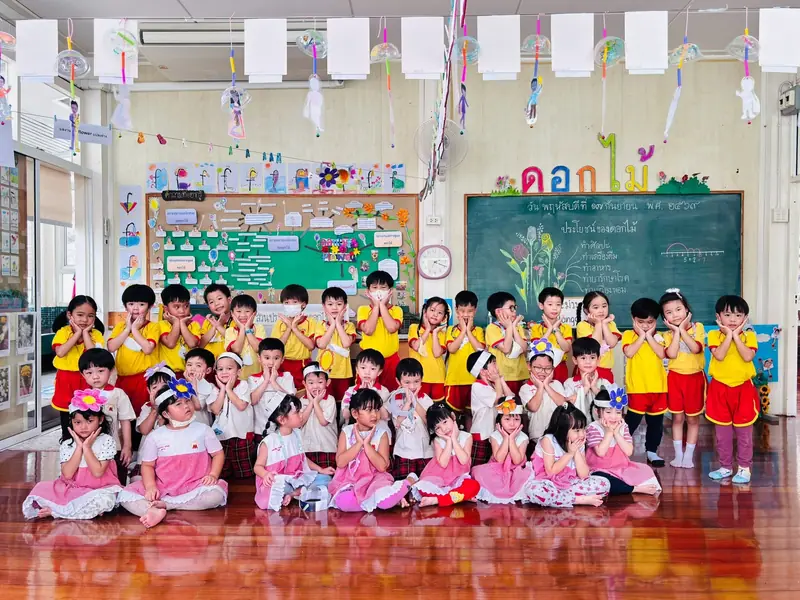
    เด็กทั้งห้องนั่งถ่ายรูปหน้าบอร์ดโครงงานเรื่องดอกไม้
    บอร์ดโครงงานเรื่องดอกไม้A class and their flowers project board

หนึ่งโครงงานจากหนอนไหมสู่เส้นไหมOne project: from silkworm to silk thread

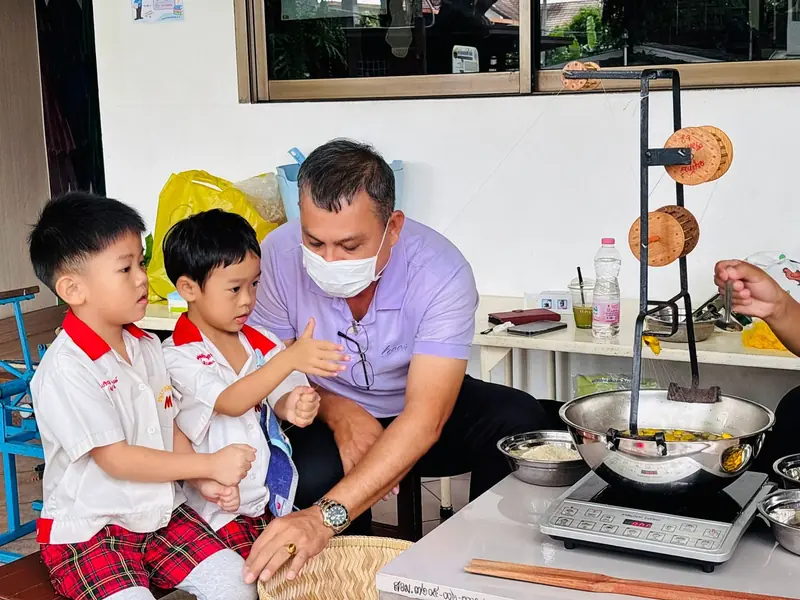
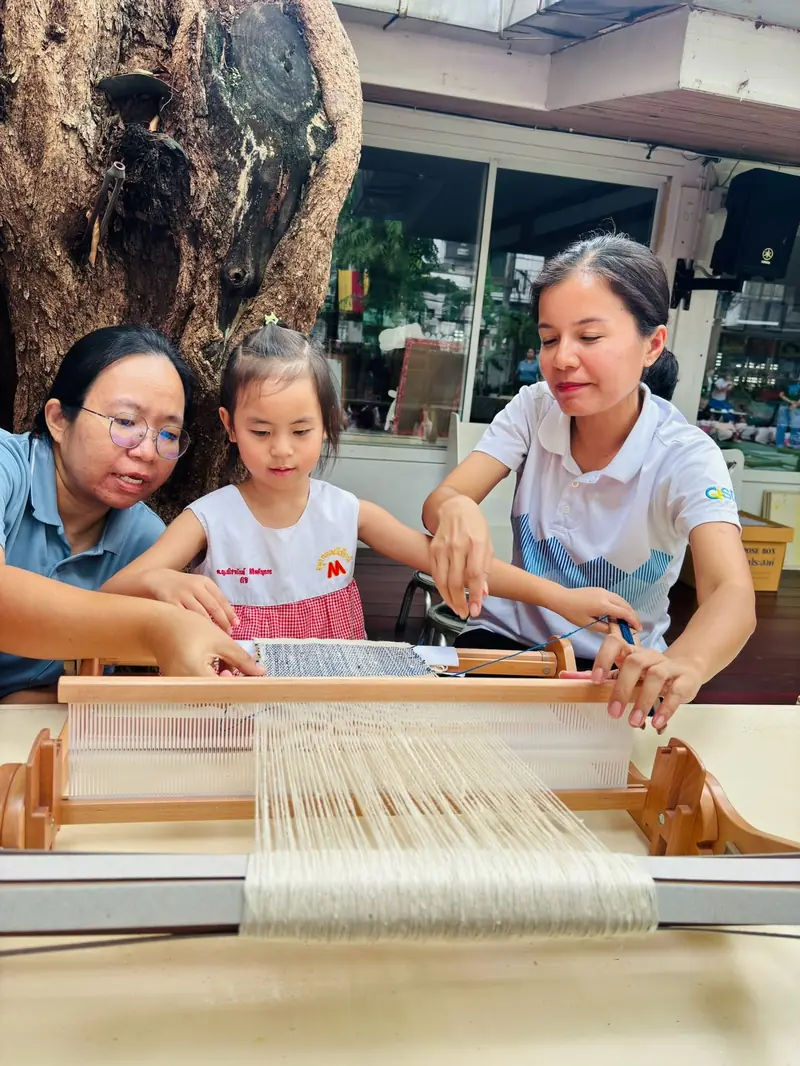
ในโครงงานหนอนไหม เด็ก ๆ ได้ดูหนอนไหมกินใบหม่อน เห็นการสาวเส้นไหมจากรังไหม และลองทอผ้าบนกี่ด้วยมือตัวเอง โดยกรมหม่อนไหมนำนิทรรศการมีชีวิตมาให้ถึงโรงเรียนIn the silkworm project, children watched silkworms eat mulberry leaves, saw thread reeled from the cocoons and tried a loom with their own hands, while the Department of Sericulture brought a living exhibition to school.

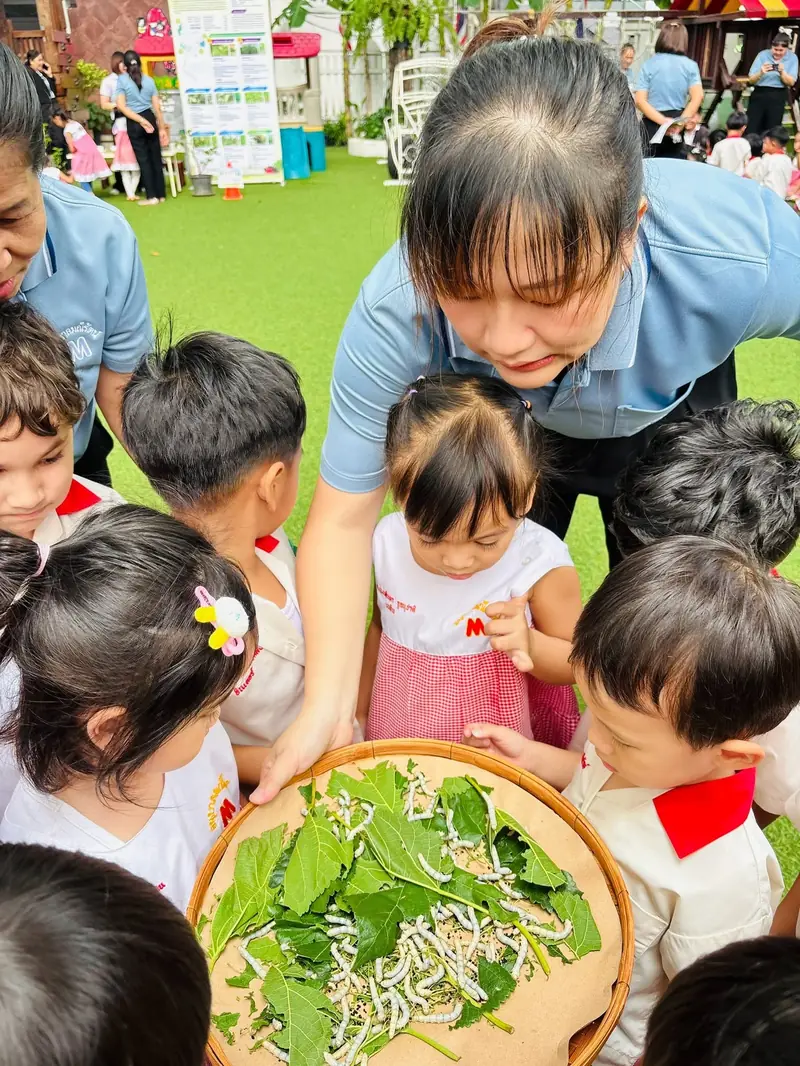
ครูยื่นกระด้งหนอนไหมบนใบหม่อนให้เด็ก ๆ ดูใกล้ ๆ
หนอนไหมกินใบหม่อนSilkworms eating mulberry leaves
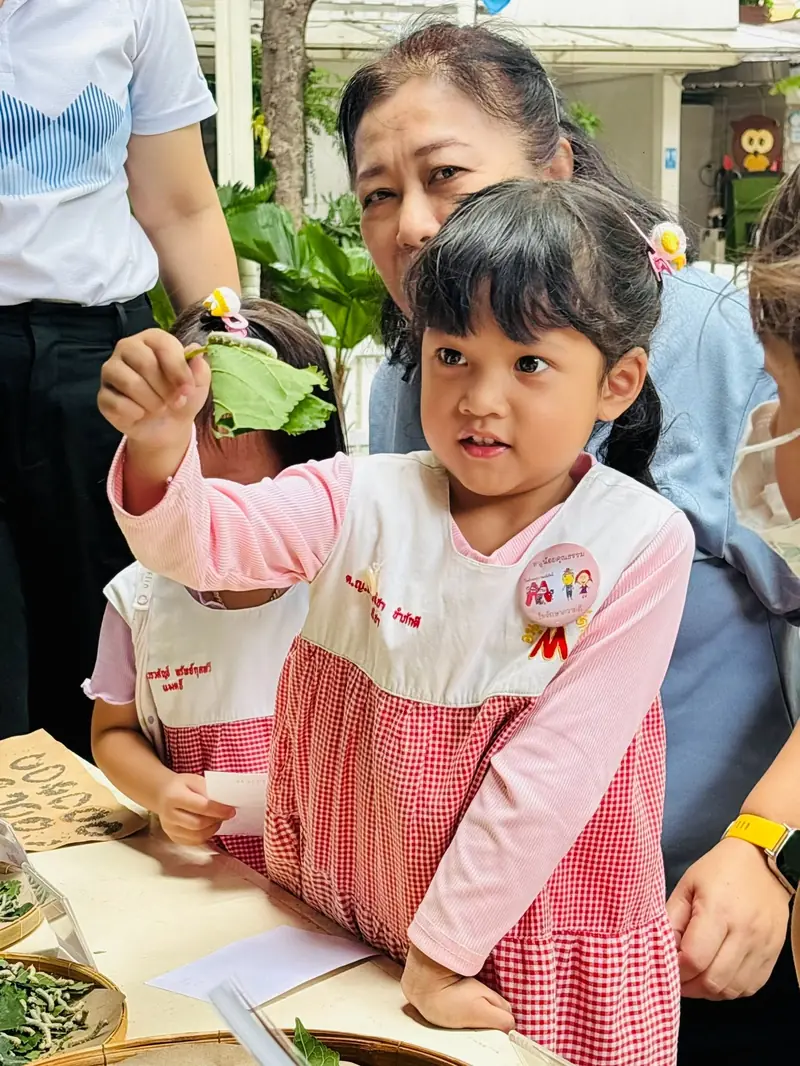
เด็กหญิงชูใบหม่อนขึ้นดูอย่างตั้งใจ
ใบหม่อน อาหารของหนอนไหมA mulberry leaf: silkworm food
เด็กชายสองคนดูวิทยากรสาวเส้นไหมจากรังไหมในหม้อ
สาวเส้นไหมจากรังไหมReeling thread from the cocoons
เด็กหญิงลองทอผ้าบนกี่ไม้ โดยมีผู้ใหญ่สองคนช่วย
ลองทอผ้าบนกี่Trying the loom
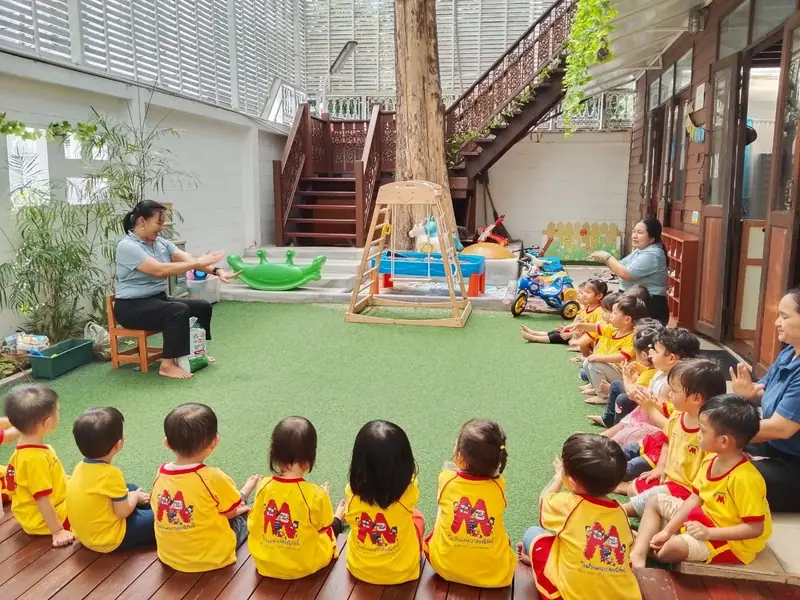
เด็ก ๆ ในเสื้อพละสีเหลืองนั่งบนชานไม้ ใต้ต้นไม้ใหญ่และบ้านต้นไม้
กิจกรรมกลุ่มบนชานไม้ ใต้ต้นไม้ใหญ่Circle time on the deck, under the big tree

ต้นไม้ใหญ่กลางกรุงเทพฯBig trees in the middle of Bangkok

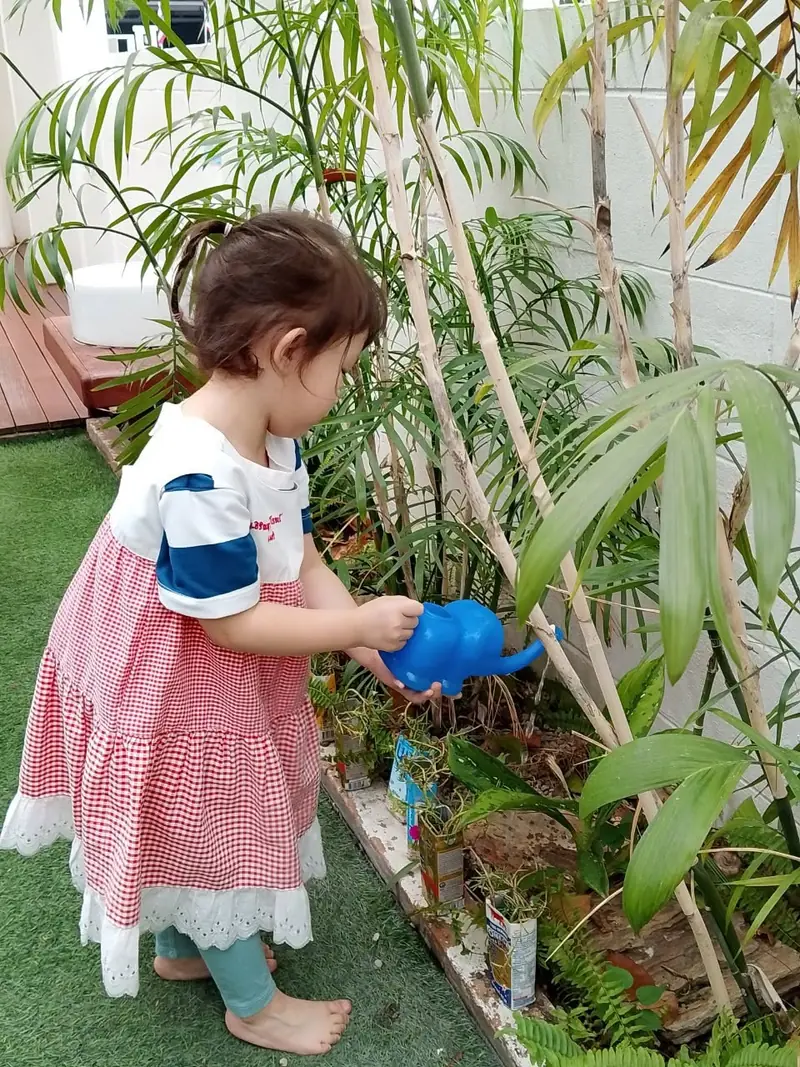
โรงเรียนตั้งอยู่บนพื้นที่กว่า 600 ตารางวา มีอาคารเรียน 4 หลัง สนามหญ้า และต้นไม้ใหญ่ให้ร่มเงา เด็ก ๆ ได้ปีนต้นไม้ ฟังเสียงนก สำรวจสวน และรดน้ำต้นไม้ ห้องเรียนทุกห้องมีห้องน้ำในตัวThe school stands on more than 2,400 square metres, with four buildings, a lawn and big shade trees. Children climb trees, listen to the birds, explore the garden and water the plants. Every classroom has its own bathroom.

วันที่ฝุ่น PM2.5 สูงOn high PM2.5 days ต้นไม้ช่วยกรองฝุ่น มีช่วงเวลาพ่นละอองน้ำในสนาม และทุกห้องเรียนมีเครื่องฟอกอากาศthe trees help filter the dust, mist sprayers run in the grounds at set times, and every classroom has an air purifier.

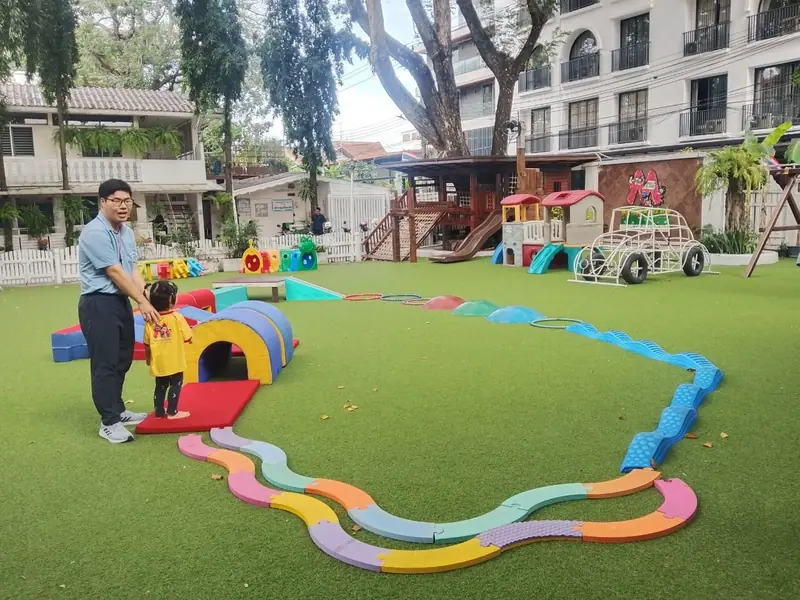
สนามหญ้ากว้างที่จัดเส้นทางฝึกการทรงตัวหลากสี ล้อมด้วยต้นไม้ใหญ่
สนามหญ้าจัดเป็นเส้นทางทรงตัวThe lawn, set out for balancing
เด็กหญิงใช้บัวรดน้ำต้นไม้ในสวนของโรงเรียน
รดน้ำต้นไม้ในสวนWatering the garden

เตรียมอนุบาลและอนุบาล 1 ถึง 3Nursery, and Kindergarten 1 to 3

เตรียมอนุบาลNursery

อายุ 1 ขวบ 8 เดือน ถึง 3 ขวบFrom 20 months to 3 years

เรียนรู้ผ่านนิทาน (Story-Based Learning) ฟัง เล่าต่อ และเล่นบทบาทสมมติ จนการออกมาเล่าหน้าชั้นกลายเป็นเรื่องธรรมชาติ อาคารเรียนจัดให้อบอุ่นเหมือนอยู่บ้านLearning starts from stories: children listen, retell them and act them out, until speaking in front of the class feels natural. The nursery building is set up to feel like home.

  • กิจกรรม Sensory Integration ทุกสัปดาห์Sensory integration play every week
  • นอนพักกลางวัน โดยมีครูดูแลใกล้ชิดAn afternoon nap, with teachers close by
  • ปีละ 3 ภาคเรียนThree terms a year
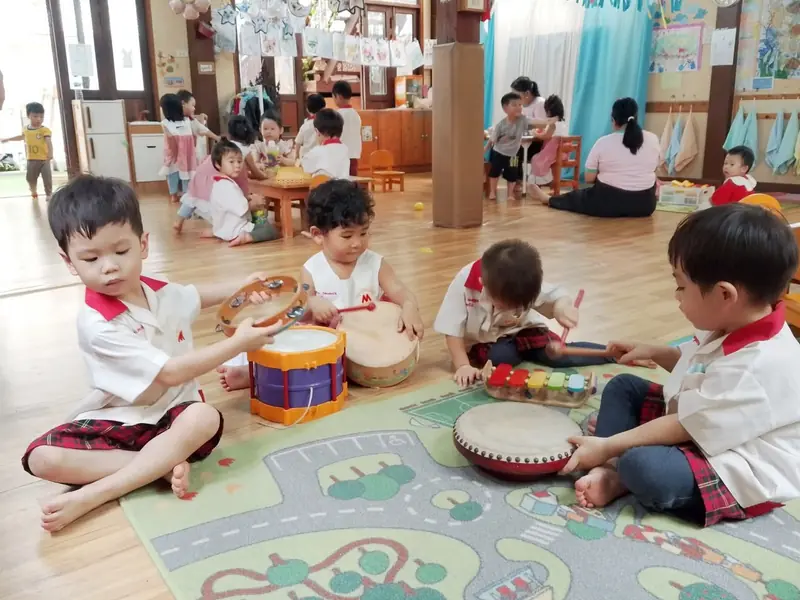
เด็กเล็กเล่นกลองและเครื่องดนตรีบนพรมในห้องเรียน
ดนตรีในห้องเตรียมอนุบาลMusic in the nursery
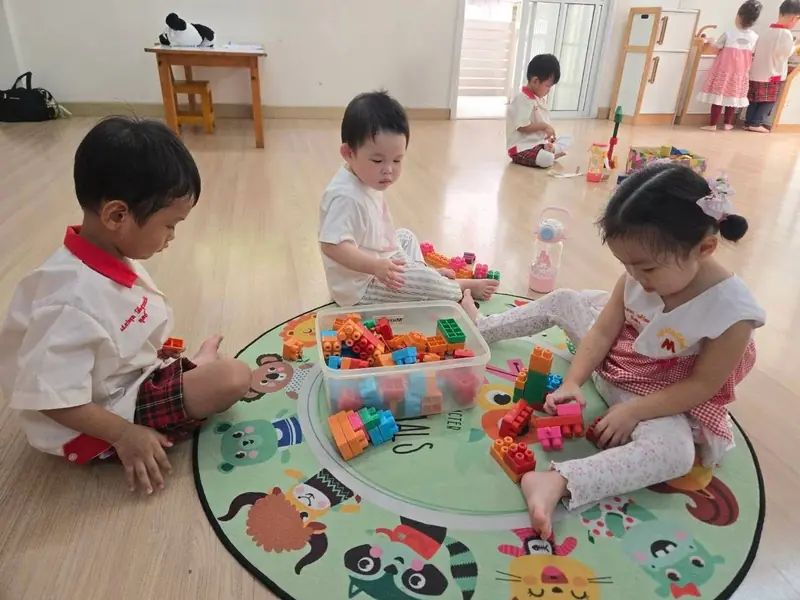
เด็กเล็กต่อบล็อกหลากสีบนพรมวงกลม
ต่อบล็อกบนพรมBuilding on the rug
ถามเรื่องเตรียมอนุบาลทาง LINEAsk about the nursery on LINE

อนุบาล 1 ถึง 3Kindergarten 1 to 3

อายุ 3 ปีขึ้นไป นับถึงเดือนมิถุนายนAged 3 by June

เรียนแบบโครงงานทุกภาคเรียน ควบคู่กับการอ่าน เขียน และจำนวนอย่างเป็นธรรมชาติ พร้อมต่อยอดทั้งในโรงเรียนกระแสหลักและโรงเรียนทางเลือก ที่นี่ไม่มีการสอบ ครูประเมินพัฒนาการจากผลงานของเด็กแต่ละคนA new project every term, with reading, writing and numbers woven in, so children are ready for mainstream and alternative primary schools alike. There are no exams: teachers assess each child through their work.

  • ภาษาอังกฤษกับครูเจ้าของภาษา สัปดาห์ละ 2 คาบ (Phonics)English with native-speaker teachers, twice a week (phonics)
  • อนุบาล 3: ห้อง Intensive English สัปดาห์ละ 3 คาบKindergarten 3: Intensive English, three periods a week
  • กิจกรรมหลังเลิกเรียน: ดนตรี ศิลปะ กีฬา ภาษา คอมพิวเตอร์After-school clubs: music, art, sport, languages and computing
  • ปีละ 2 ภาคเรียนTwo terms a year
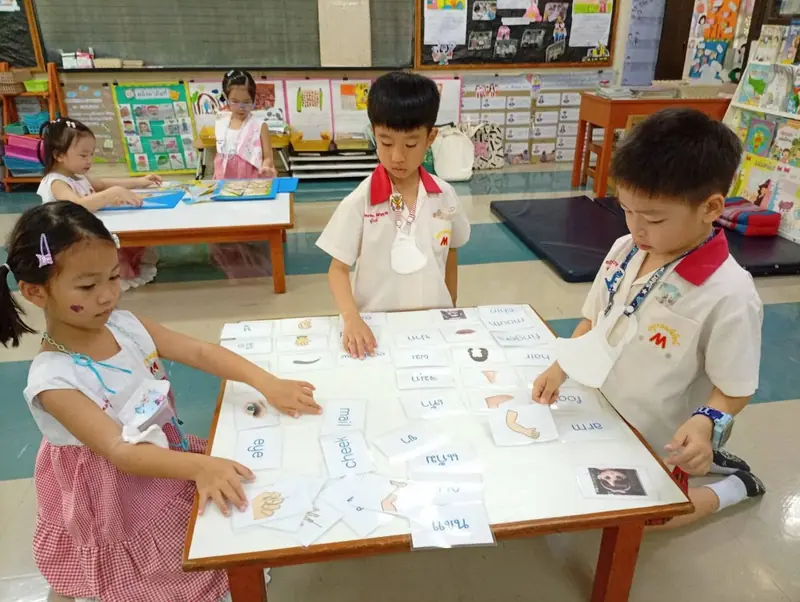
เด็กอนุบาลจับคู่บัตรภาพและบัตรคำบนโต๊ะ
จับคู่บัตรภาพกับบัตรคำMatching pictures and words
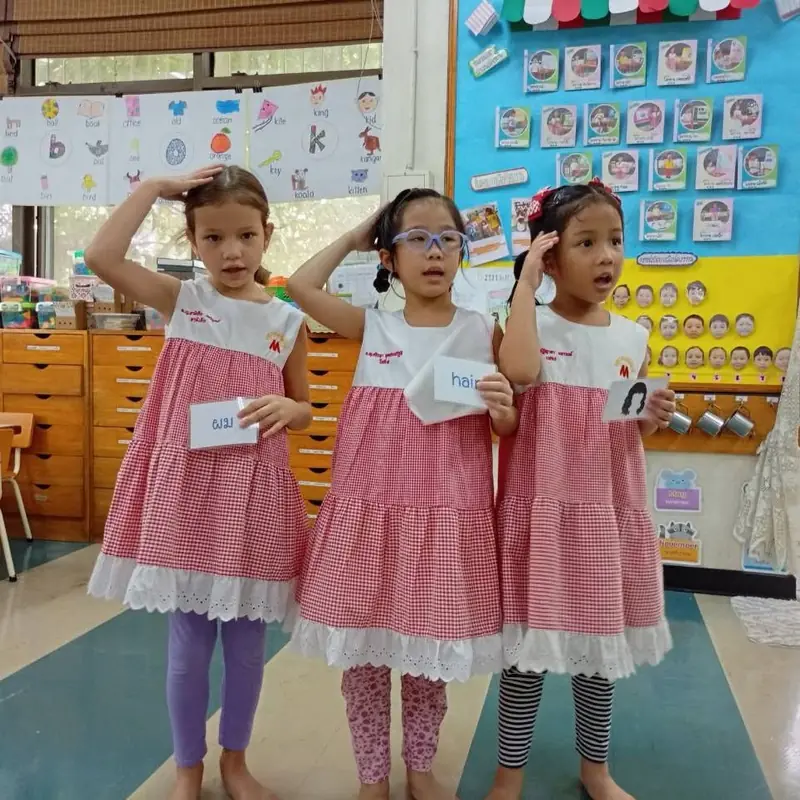
เด็กหญิงสามคนถือบัตรคำภาษาไทยและภาษาอังกฤษ เช่น ผม และ hair
บัตรคำไทยและอังกฤษWord cards in Thai and English
ถามเรื่องชั้นอนุบาลทาง LINEAsk about kindergarten on LINE

ผลงานของเด็ก ๆWork by our children

เด็ก ๆ บอกสิ่งที่คิดได้หลายทาง ทั้งการวาด การปั้น การพิมพ์ลาย การเขียน และการเล่า งานของทุกคนจึงได้ขึ้นบอร์ดให้เพื่อนและผู้ใหญ่ได้เห็นChildren say what they think in many ways: drawing, modelling, printing, writing and telling. So everyone's work goes up where friends and grown-ups can see it.

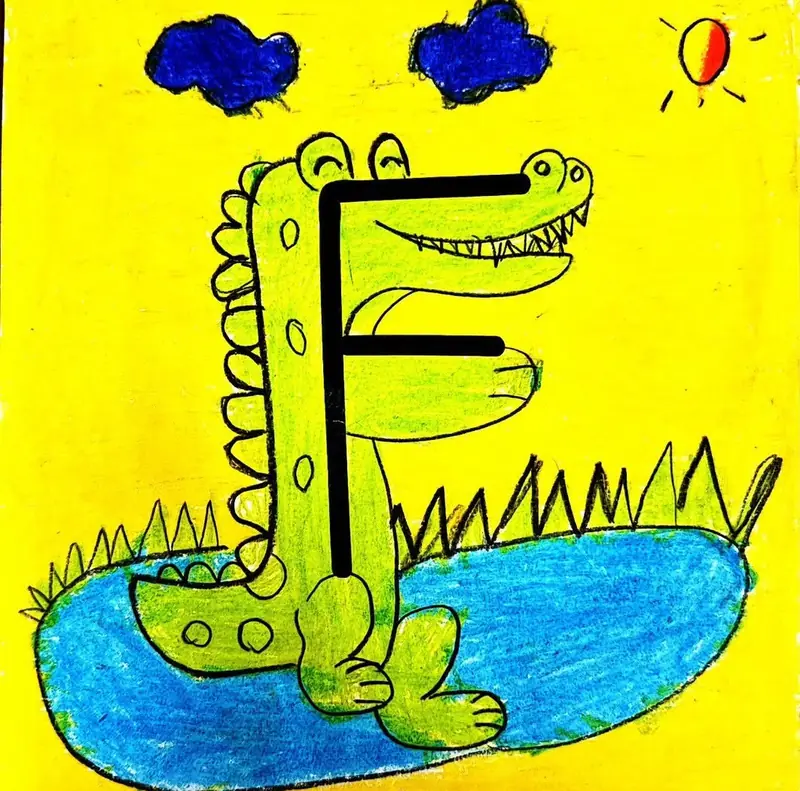
  • ภาพวาดของเด็ก: ตัวอักษร F กลายเป็นจระเข้สีเขียวในบึงน้ำ
    ตัว F กลายเป็นจระเข้The letter F, as a crocodile
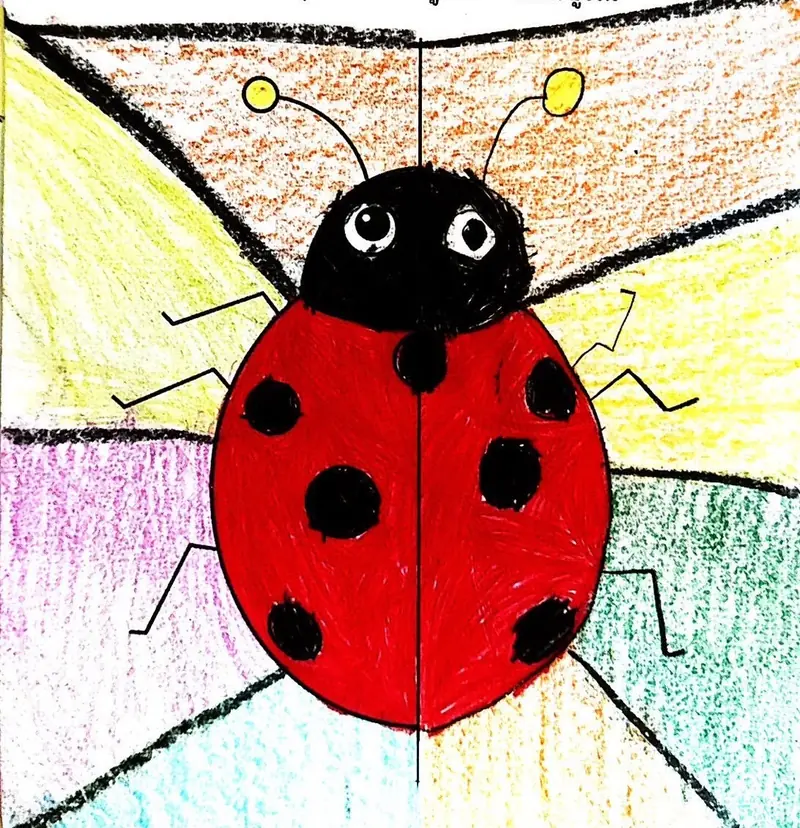
  • ภาพวาดของเด็ก: เต่าทองสีแดงจุดดำ ระบายสีพื้นหลังหลายสี
    เต่าทองA ladybird
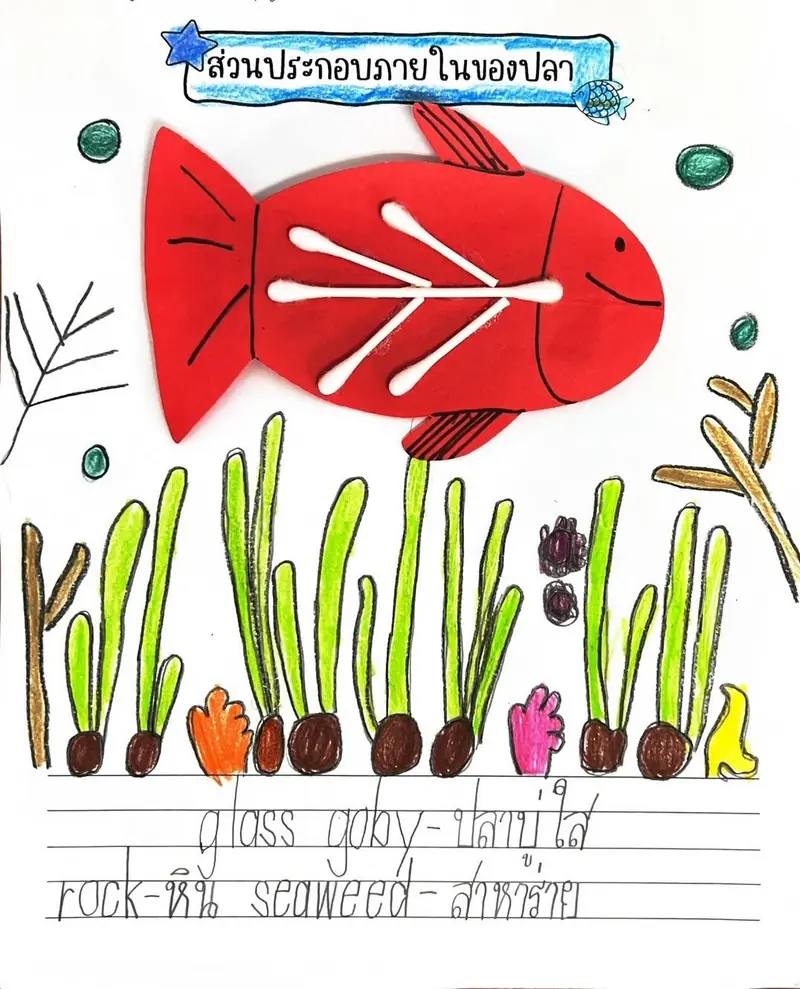
  • ผลงานของเด็ก: ปลาสีแดง ใต้ภาพเขียนชื่อสิ่งต่าง ๆ เป็นภาษาอังกฤษและภาษาไทย
    ข้างในตัวปลา เขียนสองภาษาInside a fish, in two languages
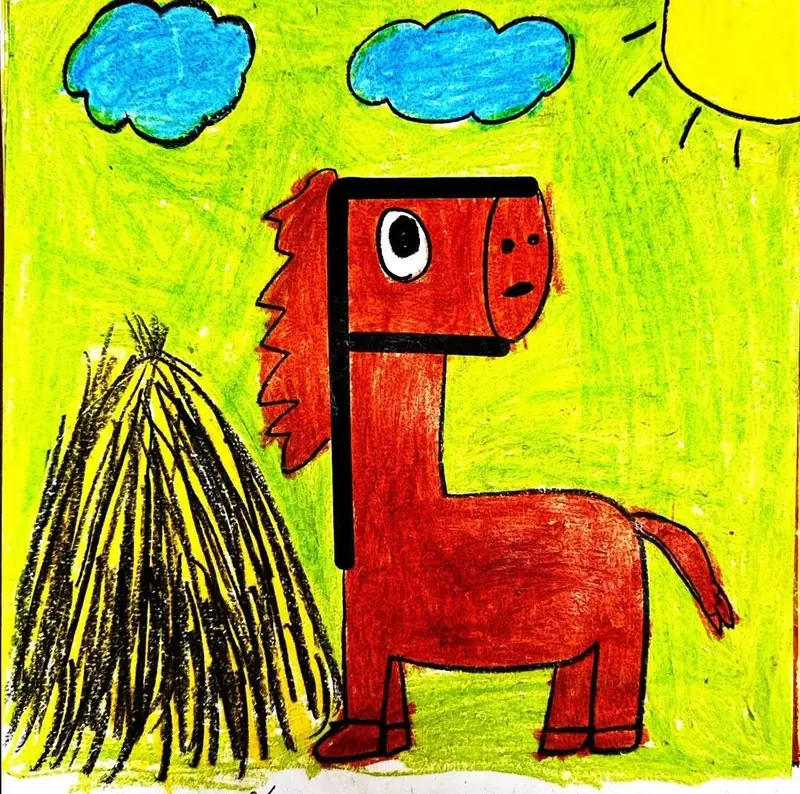
  • ภาพวาดของเด็ก: ตัวอักษร F กลายเป็นม้าสีแดงข้างกองฟาง
    ตัว F กลายเป็นม้าThe letter F, as a horse
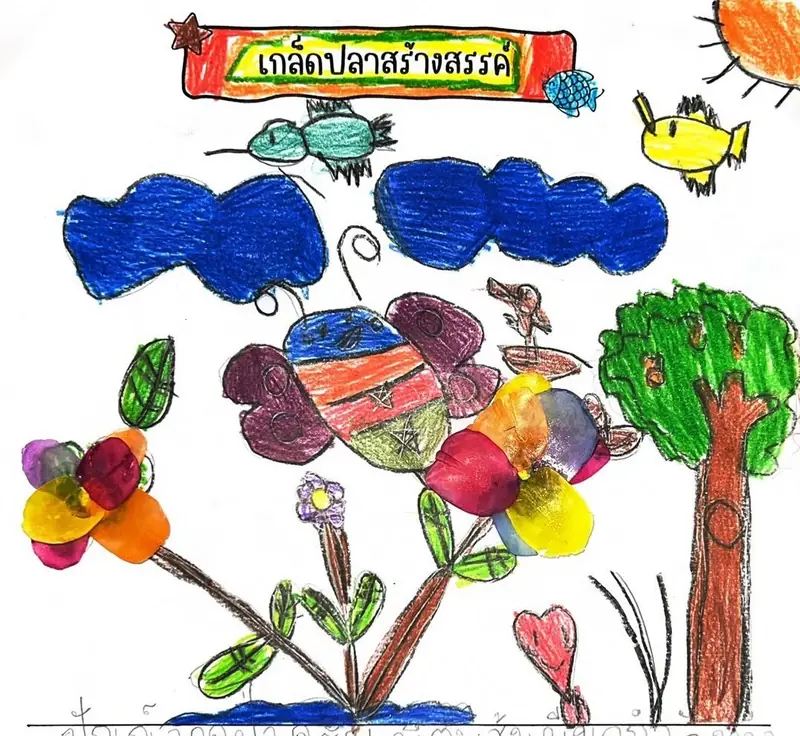
  • ผลงานของเด็ก: ปลาที่มีเกล็ดเป็นรอยพิมพ์สีหลายสี ท่ามกลางดอกไม้และต้นไม้
    เกล็ดปลาสร้างสรรค์Printed fish scales
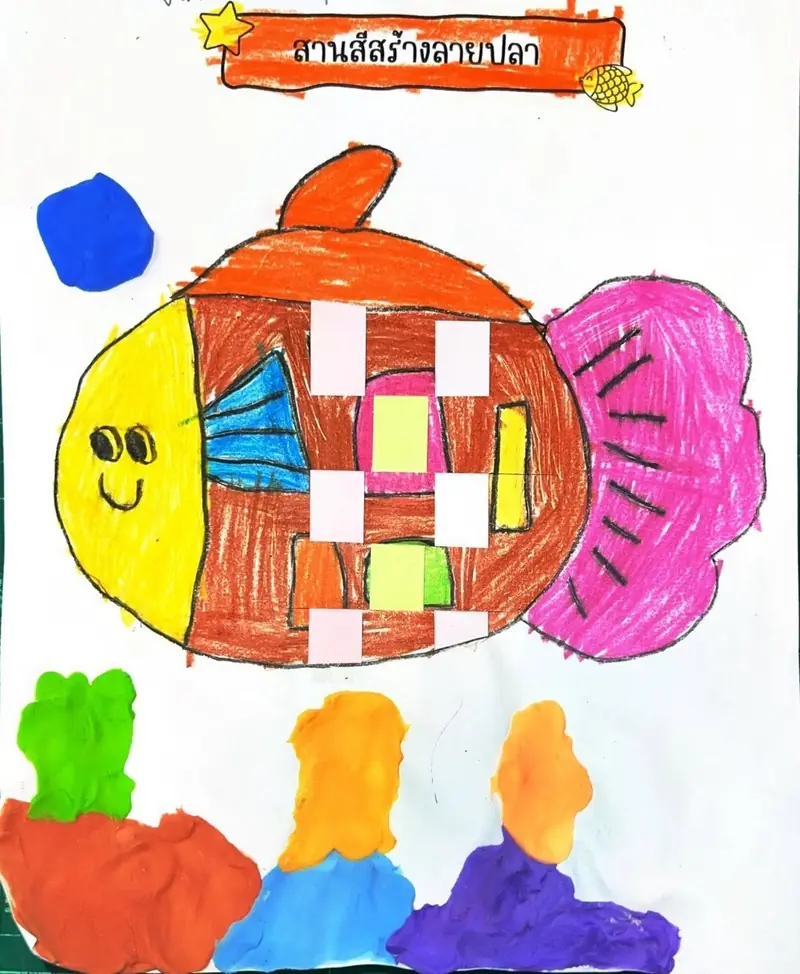
  • ผลงานของเด็ก: ปลาสีส้มลายตารางกับปะการังที่ปั้นจากดินน้ำมัน
    ลานสีสร้างลายปลาColour and pattern for a fish

รู้ทุกสัปดาห์ว่าลูกเรียนอะไรSee what your child learned, every week

ครูชวนเด็กเล็กกลุ่มหนึ่งเล่นกิจกรรมในสวน
ครูกับเด็กเล็กในสวนA teacher with the little ones in the garden

สิ่งที่ผู้ปกครองได้เห็นWhat parents see

  • ครูจดบันทึก บันทึกเสียง ถ่ายภาพ และวิดีโอ แล้วส่งให้ผู้ปกครองทุกสัปดาห์Teachers keep notes, voice recordings, photos and video, and send them home every week.

  • ผู้อำนวยการอ่านบันทึกและผลงานของเด็กทุกคน แล้วให้คำแนะนำครู เช่น คำถามที่ครูใช้ช่วยให้เด็กคิดต่อได้หรือไม่The director reads every child's records and work, then gives teachers feedback, for example on whether their questions helped a child think further.

  • ครูประชุมกันทุกวันศุกร์ เพื่อแลกเปลี่ยนไอเดียและปรึกษาปัญหาTeachers meet every Friday to share ideas and talk problems through.

ความปลอดภัยKeeping children safe

  • โครงการเด็กแพ้: เด็กที่มีประวัติแพ้ติดสัญลักษณ์ที่ปกเสื้อ และเพื่อนทุกคนในห้องรู้ว่าใครแพ้อะไรAllergy programme: a child with an allergy wears a badge on their collar, and every classmate learns who is allergic to what.

  • ครูอบรมการปฐมพยาบาลกับโรงพยาบาลสมิติเวช ธนบุรี ทุกปีTeachers train in first aid with Samitivej Thonburi Hospital every year.

  • รับเด็กกลับบ้านได้ด้วยบัตรรับนักเรียนที่โรงเรียนออกให้เท่านั้นChildren only go home with an adult who shows the school's pick-up card.

โรงเรียนที่อยากให้เด็กรักการไปโรงเรียนA school children want to go to

อาจารย์มณีรัตน์ วัฒนสมบัติ ก่อตั้งโรงเรียนในปี 2531 เพราะเห็นว่าเด็กไทยจำนวนมากไปโรงเรียนเพราะถูกบังคับ ต่างจากเด็กที่รักการเรียน ความเชื่อของท่านยังเป็นหัวใจของโรงเรียนมาจนวันนี้: การเรียนรู้ คือความสุขAjarn Maneerut Wattanasombat founded the school in 1988. Too many Thai children went to school because they had to, not because they loved learning. Her belief is still the heart of the school today: learning is happiness.

วันนี้ มหาวิทยาลัยและสถาบันราชภัฏยังพานักศึกษาปริญญาตรีและปริญญาโทมาศึกษาดูงานที่โรงเรียน และเราเป็นโรงเรียนฝึกหัดครูToday, universities and Rajabhat institutes still bring undergraduate and master's students to observe, and we help train new teachers.

Google 5.0 จาก 162 รีวิว5.0 on Google from 162 reviews
ตราโรงเรียน: ตัว M ที่มีเด็ก ๆ ปีนบันไดวาดภาพ ล้อมด้วยชื่อโรงเรียนและคำขวัญ The school emblem: an M with children on ladders painting it, ringed by the school name and motto
ตราโรงเรียน และคำขวัญ เติบโตอย่างมีคุณค่า สร้างความสุขที่ยั่งยืนThe school emblem and motto: growing with purpose, building happiness that lasts
  1. 25311988

    อาจารย์มณีรัตน์ วัฒนสมบัติ ก่อตั้งโรงเรียนAjarn Maneerut Wattanasombat opens the school

  2. 25421999

    โรงเรียนนำร่อง โครงการวิจัยนวัตกรรมการศึกษาตามแนวคิดเรกจิโอ เอมีเลีย ของสำนักงานคณะกรรมการการศึกษาแห่งชาติPilot school in the National Education Commission's research on Reggio Emilia

  3. 25452002

    โรงเรียนแกนนำ โครงการวิจัยหลักสูตรสถานศึกษาและการพัฒนารูปแบบการคิดในระดับปฐมวัยLead school in national research on early-years curricula and thinking skills

  4. 25472004

    โรงเรียนแกนนำ โครงการวิจัยเรื่องกระบวนการคิด ของสภาการศึกษา กระทรวงศึกษาธิการLead school in the Education Council's research on how children think

  5. 25482005

    โรงเรียนนำร่อง หัวข้อสมองกับการเรียนรู้ (Brain-Based Learning) กับสถาบันพัฒนาผู้บริหารการศึกษาPilot school for Brain-Based Learning with the Institute for Educational Administrator Development

  6. 25502007

    ผ่านการประเมินคุณภาพภายนอกจาก สมศ. ระดับดีมากในทุกมาตรฐานและตัวบ่งชี้Rated “very good” on every standard and indicator in the national external quality assessment

ค่าเล่าเรียนFees

ปีการศึกษา 2569School year 2569 (2026 to 2027)

ค่าเล่าเรียนFees ปีการศึกษา 2569School year 2569 (2026 to 2027)
ค่าแรกเข้าEntry feeจ่ายครั้งเดียวPaid once10,000 บาทbaht
เตรียมอนุบาลNurseryปีละ 3 ภาคเรียนThree terms a year40,000 บาท ต่อภาคเรียนbaht a termรวมปีละ 120,000 บาท120,000 baht a year
อนุบาล 1 ถึง 3Kindergarten 1 to 3ปีละ 2 ภาคเรียนTwo terms a year49,000 บาท ต่อภาคเรียนbaht a termรวมปีละ 98,000 บาท98,000 baht a year
  • รวมค่าอาหาร ค่าอุปกรณ์การเรียน และประกันอุบัติเหตุIncludes meals, learning materials and accident insurance.
  • ไม่รวมชุดนักเรียน และค่าเรียน Intensive English ของอนุบาล 3Not included: uniforms, and Intensive English in Kindergarten 3.

อัตราอาจเปลี่ยนแปลง สอบถามอัตราล่าสุดได้ที่ห้องธุรการRates can change, so please check the latest with the office.

ถามค่าเล่าเรียนปี 2570 ทาง LINEAsk about 2570 fees on LINE

การสมัครเรียนHow to apply

รับสมัครAges
เตรียมอนุบาล ตั้งแต่ 1 ขวบ 8 เดือน อนุบาล 1 อายุ 3 ปี อนุบาล 2 อายุ 4 ปี อนุบาล 3 อายุ 5 ปี (นับถึงเดือนมิถุนายน) หรือพิจารณาตามพัฒนาการของเด็กNursery from 20 months. Children should be 3 by June for Kindergarten 1, 4 for Kindergarten 2 and 5 for Kindergarten 3, or join as their development suggests.
สมัครที่Where to apply
ห้องธุรการ เวลา 07.30 ถึง 16.30 น.At the school office, open 7.30am to 4.30pm.
วันมอบตัวOn enrolment day
สำเนาสูติบัตร สำเนาทะเบียนบ้าน รูปถ่ายเด็กหน้าตรง 1 นิ้ว 8 ใบ และรูปถ่ายคุณพ่อคุณแม่หรือผู้ปกครอง ท่านละ 2 ใบA copy of the birth certificate and the house registration, eight 1-inch photos of your child, and two photos of each parent or guardian.
นัดเยี่ยมชมโรงเรียนBook a school visit

คำถามที่ผู้ปกครองถามบ่อยQuestions parents ask

ที่นี่มีการสอบไหมDo the children sit exams?

ไม่มีการสอบแบบเดิม ๆ โรงเรียนพบว่าการสอบช่วยเด็กบางคน แต่ทำให้อีกหลายคนรู้สึกว่าตัวเองไม่เก่ง ครูจึงประเมินพัฒนาการจากผลงาน กิจกรรม และโครงงานของเด็กแต่ละคน เพื่อให้ทุกคนรู้สึกว่า “หนูทำได้”No. We found that tests help some children but leave others feeling they aren't clever, so teachers assess each child through their work, activities and projects instead. Every child should come away feeling “I can do this”.

เรียนแบบโครงงานแล้ว ลูกจะอ่านออกเขียนได้ไหมIf they learn through projects, will they still learn to read and write?

ได้ เนื้อหาวิชาการถูกสอดแทรกในโครงงานอย่างเป็นธรรมชาติ เด็ก ๆ อ่านออก เขียนได้ รู้จักจำนวน และมีทักษะที่ต่อยอดได้ทั้งในโรงเรียนกระแสหลักและโรงเรียนทางเลือกYes. Reading, writing and numbers are built into the projects, so children leave able to read, write and count, and ready for mainstream or alternative primary schools.

ใครสอนภาษาอังกฤษ สัปดาห์ละกี่คาบWho teaches English, and how often?

ครูเจ้าของภาษา สัปดาห์ละ 2 คาบ ตั้งแต่อนุบาล 1 ถึง 3 ด้วยหลักสูตร Fun Language ที่เน้นการฟัง การพูด และการออกเสียงแบบ Phonics ส่วนอนุบาล 3 มีห้อง Intensive English เรียนสัปดาห์ละ 3 คาบ (มีค่าใช้จ่ายเพิ่ม) สำหรับเด็กที่จะเรียนต่อหลักสูตรภาษาอังกฤษหรือสองภาษาNative-speaker teachers, twice a week from Kindergarten 1 to 3, using the Fun Language course, which focuses on listening, speaking and phonics. In Kindergarten 3 there is also an Intensive English class, three periods a week at extra cost, for children going on to English or bilingual primary programmes.

เวลาเรียนกี่โมงถึงกี่โมงWhat are the school hours?

เวลาเรียน 08.30 ถึง 14.30 น. วันจันทร์ถึงวันศุกร์ ห้องธุรการเปิด 07.30 ถึง 16.30 น.Classes run from 8.30am to 2.30pm, Monday to Friday. The office is open from 7.30am to 4.30pm.

เด็ก ๆ ทานอะไรบ้างWhat do the children eat?

นมสดช่วงสาย อาหารกลางวันพร้อมผลไม้ และอาหารว่างช่วงบ่าย รวมอยู่ในค่าเล่าเรียนแล้วFresh milk mid-morning, lunch with fruit, and an afternoon snack, all included in the fees.

มีรถรับส่งไหมIs there a school bus?

มีรถตู้ปรับอากาศของโรงเรียน ค่าบริการคิดตามระยะทาง และรถตู้ของเราตกแต่งด้วยงานศิลปะของเด็ก ๆYes: air-conditioned school vans, priced by distance. The vans are decorated with the children's own artwork.

เข้าเยี่ยมชมโรงเรียนได้เมื่อไรWhen can we visit?

วันจันทร์ถึงวันศุกร์ (ยกเว้นวันหยุดราชการ) เวลา 09.00 ถึง 10.30 น. กรุณาโทรนัดหรือส่งข้อความทาง LINE ล่วงหน้าMonday to Friday (except public holidays), 9.00 to 10.30am. Please call or message us on LINE to book first.

มาเยี่ยมชมโรงเรียนของเราCome and see the school

วันจันทร์ถึงวันศุกร์ (ยกเว้นวันหยุดราชการ) 09.00 ถึง 10.30 น. กรุณานัดล่วงหน้าMonday to Friday (except public holidays), 9.00 to 10.30am, by appointment.

กรุณากรอกชื่อPlease add your name

กรุณากรอกเบอร์โทรที่ติดต่อได้Please add a phone number we can call

กรุณาเลือกอายุPlease choose an age

ข้อความพร้อมแล้ว ส่งทางไหนก็ได้Your message is ready. Send it whichever way suits you.


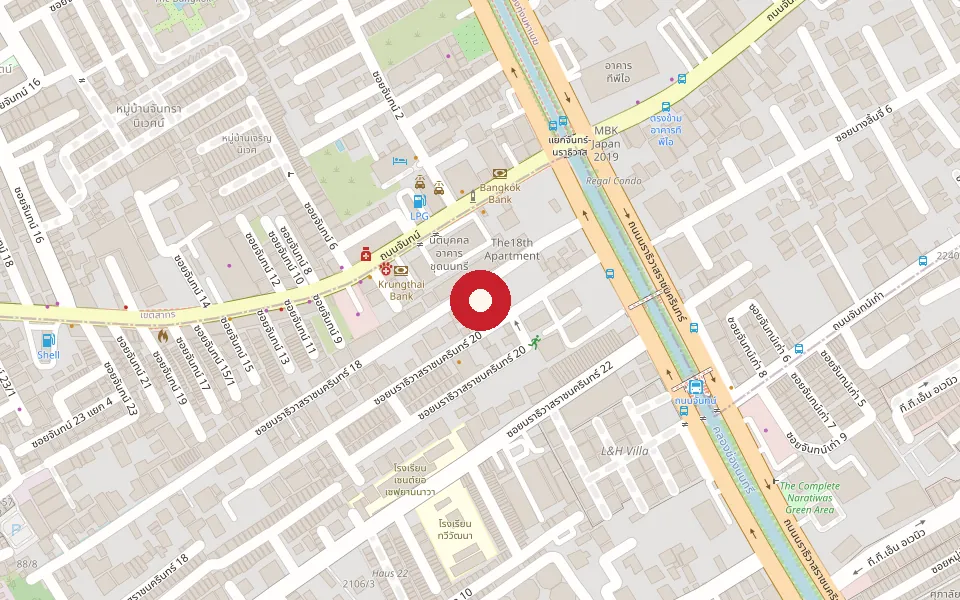
แผนที่ตั้งโรงเรียน ซอยนราธิวาสราชนครินทร์ 18 Map: the school on Soi Narathiwat Ratchanakharin 18เปิดใน Google MapsOpen in Google Maps

© OpenStreetMap contributors

9 (2066/1) ซอยนราธิวาสราชนครินทร์ 18 ถนนนราธิวาสราชนครินทร์ แขวงช่องนนทรี เขตยานนาวา กรุงเทพฯ 101209 Soi Narathiwat Ratchanakharin 18, Narathiwat Ratchanakharin Road, Chong Nonsi, Yan Nawa, Bangkok 10120

นำทางDirections
นัดเยี่ยมชมโรงเรียนBook a school visit